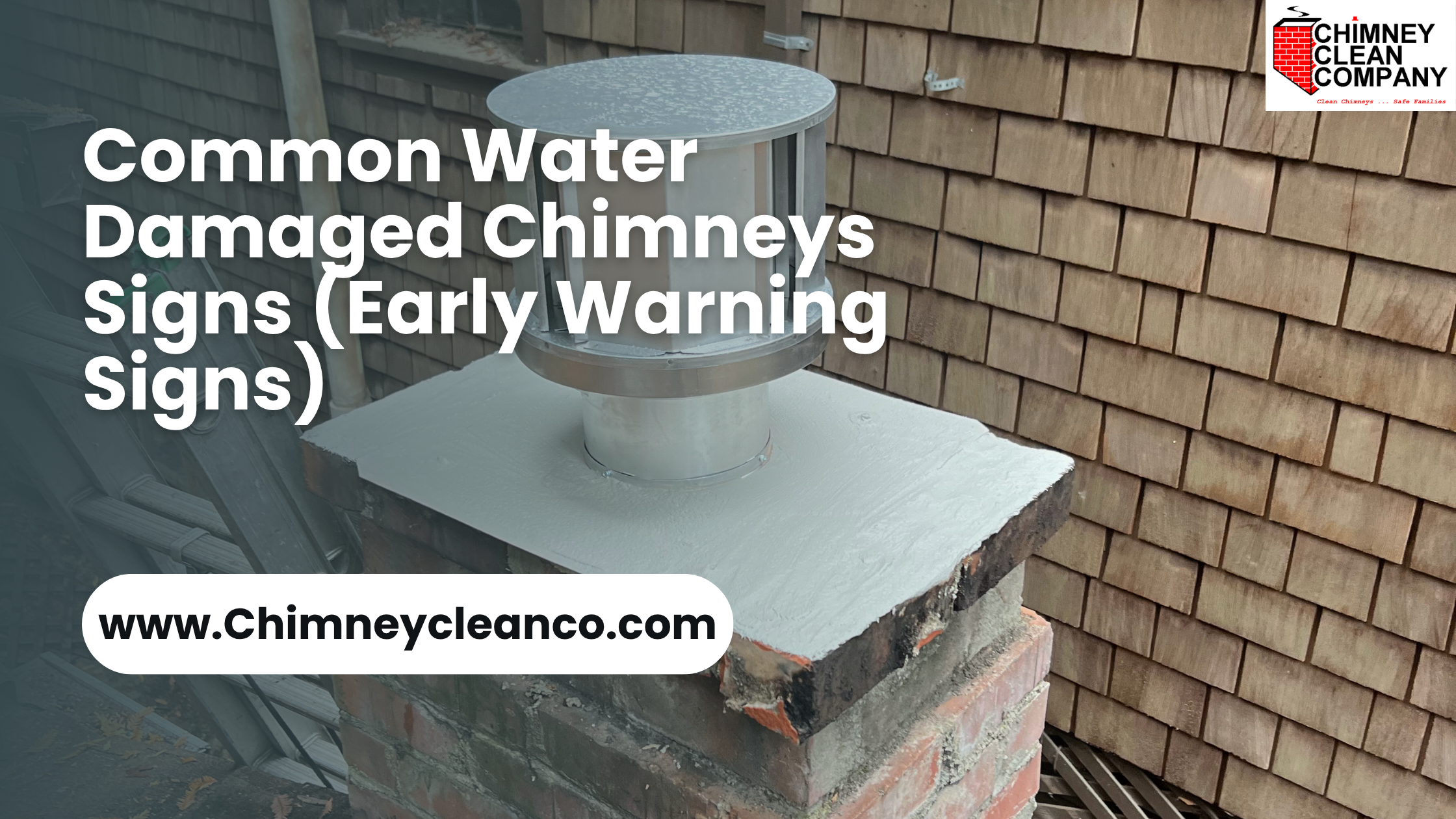
Common Water Damaged Chimneys Signs (Early Warning Signs)
Most chimney issues don’t start with something obvious.
It’s usually small — a slight odor, minor cracks, or a bit of moisture after rain. Easy to ignore at first. But over time, these small issues can turn into serious structural problems.
That’s why recognizing water damaged chimney signs early is so important.
In areas like San Jose, where seasonal rain and temperature changes occur, moisture can quietly affect your chimney long before major damage becomes visible.
AI Overview: Water Damaged Chimney Signs
Water damaged chimney signs include visible issues such as spalling bricks, cracked mortar, rusted components, musty odors, and water leaks during rain. These signs indicate moisture intrusion, which can weaken the chimney structure over time. Identifying these warning signs early helps prevent serious structural damage and costly repairs.
Most Common Water Damaged Chimney Signs
1. Spalling Bricks (Flaking or Breaking Surfaces)
Bricks naturally absorb moisture. During colder conditions, trapped water freezes and expands, then thaws again — causing stress inside the brick.
This leads to spalling, where the surface of the brick begins to flake, chip, or break apart.
👉 Why it matters:
Spalling weakens the structure, and severely damaged bricks may need replacement.
👉 What to look for:
- Flaking brick surfaces
- Pieces of brick around the chimney base
2. Rusting Components and Liner Damage
Rust is one of the clearest internal water damaged chimney signs.
When moisture enters the chimney, it affects metal components like the damper and firebox. Over time, this can also impact the chimney liner, especially if cracks are present.
👉 What to look for:
- Rust on metal parts
- Difficulty opening or closing the damper
3. Cracked or Deteriorating Mortar
Mortar joints hold the chimney structure together. When exposed to repeated moisture and temperature changes, they begin to weaken and crack.
👉 Why it matters:
Damaged mortar can lead to loose bricks and structural instability.
👉 What to look for:
- Gaps between bricks
- Crumbling or missing mortar
4. Musty Odor from the Fireplace
A damp or musty smell is often overlooked, but it’s one of the early water damaged chimney signs.
It usually indicates trapped moisture inside the chimney system.
5. Water Leaks During Rain
If you see water entering your fireplace during rain, this is a clear and advanced warning sign.
By this point, moisture has likely been affecting your chimney for some time.
6. White Stains on Chimney Exterior
A chalky white residue (efflorescence) forms when water moves through masonry and leaves mineral deposits behind.
👉 What it indicates:
Moisture is already penetrating the chimney structure.
Real San Jose Example
A homeowner in San Mateo contacted us after noticing small flakes of brick near their chimney and a faint musty smell inside their home.
They didn’t think it was serious.
However, during inspection, we identified multiple water damaged chimney signs, including early spalling and weakened mortar joints. The chimney cap was missing, allowing rainwater to enter over time.
Because the issue was caught early, we were able to repair and protect the chimney before major structural damage occurred.
How Does Water Enter Your Chimney?
Moisture can enter your chimney through:
- ● Missing or damaged chimney cap
- ● Cracked chimney crown
- ● Worn or damaged flashing
- ● Porous or aging bricks
Even a small opening can lead to long-term moisture damage.
Why You Shouldn’t Ignore These Signs
Ignoring water damaged chimney signs can lead to:
- ● Structural weakening
- ● Interior water damage
- ● Mold growth
- ● Expensive repairs
The longer the issue goes untreated, the more extensive the damage becomes.
Professional Solutions to Prevent Further Water Damage
✔ Chimney Cap Installation
Blocks rain, debris, and animals from entering.
✔ Tuckpointing (Mortar Repair)
Restores damaged mortar and strengthens the structure.
✔ Flashing & Crown Repair
Seals key entry points where water typically gets in.
Protect Your Home Before Damage Gets Worse
If you’ve noticed any of these water damaged chimney signs, it’s important to act early.
With over 36 years of experience, Chimney Clean Co. provides trusted chimney inspection and repair services across San Jose.
👉 Call (408) 265-1010 to schedule your inspection today.